Picture a bright-eyed 7-year-old girl in a quiet rural village in Nigeria. Each morning, she sets out before sunrise, barefoot and hungry, walking miles to reach a crowded classroom. Her stomach growls, but her dreams are louder. By midday, fatigue sets in—her lunch, just a handful of rice, offers little nourishment. Like many children in underserved communities, she fights to stay awake; her potential is dimmed not just by hunger but by the larger systems that perpetuate poverty and food insecurity. This girl's story is not unique. It reflects a global crisis rooted in inequality and systemic issues.
The Global Challenge of Malnutrition: A Crisis of Inequality
Malnutrition is a silent crisis that affects millions worldwide, particularly children in marginalized communities. It's not just about individual choices—it's about access, resources, and power. Malnutrition manifests in three primary forms, each reflecting different aspects of systemic inequality and inadequate food systems.
Undernutrition represents a deficiency of essential nutrients leading to stunted growth, weakened immunity, and limited opportunities. This is often a direct result of poverty and lack of access to food. Overnutrition involves excessive intake of unhealthy, processed foods, often cheaper and more readily available in food deserts, contributing to obesity and chronic diseases. This is frequently linked to corporate influence and inadequate regulation. Micronutrient deficiencies involve the lack of vital vitamins and minerals, impairing cognitive and physical development and disproportionately affecting communities with limited access to diverse and nutritious foods.
Malnutrition's effects extend beyond the individual, impacting families, communities, and nations. It perpetuates cycles of poverty and inequality. However, addressing the systemic issues that cause malnutrition and promoting proper nutrition can transform lives, promoting not just physical health, but cognitive function and overall well-being.
The Far-Reaching Impact of Malnutrition
One of the most alarming consequences of malnutrition is its impact on physical health. In children, a lack of essential nutrients can lead to stunted growth and developmental delays, ultimately affecting their ability to reach their full potential. According to the World Health Organization, approximately 149 million children under five years old were stunted in 2021 due to poor nutrition, a number heavily influenced by socioeconomic factors.
Malnutrition also profoundly affects cognitive function. Nutritional deficiencies during critical periods of growth can impair brain development, leading to learning difficulties and lower academic performance. These effects are compounded by unequal access to education and resources, creating a double burden for affected children and communities.

Children in a Nigerian school participating in a nutrition program that combines education with healthy meals, demonstrating the connection between proper nutrition and learning outcomes.
The economic impact of malnutrition cannot be overlooked. Malnourished individuals often face heightened healthcare costs due to an increased incidence of illness, leading to lost productivity and financial strain. This strain is felt most acutely by already marginalized communities, perpetuating cycles of poverty and limiting opportunities for economic advancement.
The Transformative Power of Proper Nutrition and Systemic Change
Good nutrition fuels physical health, cognitive function, and economic productivity. However, these benefits are only fully realized when coupled with efforts to address systemic inequalities. The transformative power of nutrition extends far beyond individual health outcomes to encompass community development and social justice.
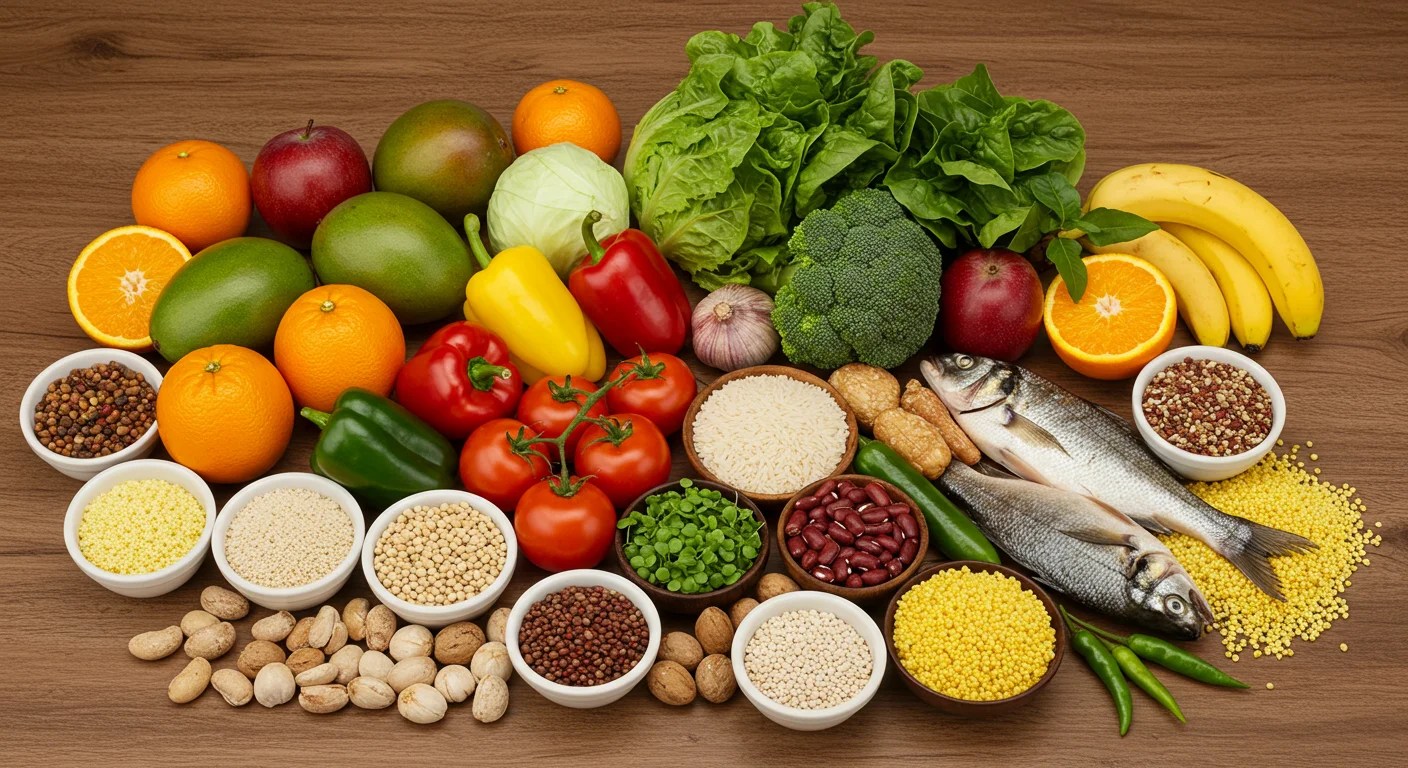
Strengthening Physical Health: A balanced diet rich in essential nutrients—proteins, vitamins, and minerals—boosts immunity and reduces the risk of illness. Well-nourished children grow taller and stronger and live healthier lives. However, access to these nutrients must be ensured through equitable food distribution and support for local agriculture.
Boosting Cognitive Function: Nutrition directly influences brain development. Studies show that children with nutrient-rich diets have better memory, focus, and academic performance. A healthy brain means a higher chance of breaking the cycle of poverty, but only if educational opportunities are equally available to all children regardless of their background.
Studies have shown that children who consume a diet rich in fruits, vegetables, whole grains, and healthy fats tend to perform better in school and exhibit improved concentration levels. Moreover, nutrition is pivotal for mental well-being, as balanced diets can help reduce symptoms of anxiety and depression, fostering a more positive mindset.
Fueling Economic Growth: Proper nutrition has immense economic benefits. Research shows that eliminating malnutrition can increase national productivity significantly. Healthy individuals contribute more to society, reducing healthcare burdens and driving development. However, this requires policies that support fair wages, food security, and access to healthcare.
Why Millions Still Lack Proper Nutrition: Systemic Barriers
Despite the clear benefits, many communities face significant systemic barriers to proper nutrition. These barriers are often interconnected and require comprehensive solutions that address root causes rather than just symptoms.
Despite the clear benefits, many communities face significant systemic barriers to proper nutrition. These barriers are often interconnected and require comprehensive solutions that address root causes rather than just symptoms.
Limited Access to Nutritious Food: High costs, food deserts, and food insecurity prevent many families from maintaining balanced diets. Corporate control of the food system and lack of government support for local farmers exacerbate this situation, creating environments where unhealthy food is more accessible than nutritious options.
Gender Disparities: Only 8.2% of women farmers in Nigeria own land, severely restricting food production capabilities. This statistic reflects broader gender inequalities that limit women's access to resources and opportunities, despite women's crucial role in food security and nutrition within families and communities.
Lack of Education: Many families don't have the knowledge to make healthy food choices, often due to inadequate educational resources and targeted marketing of unhealthy foods. This knowledge gap is particularly pronounced in communities with limited access to healthcare and nutrition education programs.
Poverty and Inequality: The root cause of malnutrition is often poverty and inequality, which limits access to resources, healthcare, and education. Without addressing these fundamental issues, nutrition interventions alone cannot create lasting change.
The Economic Case for Nutrition Investment
Economically, investing in proper nutrition yields substantial benefits that extend far beyond individual health outcomes. Healthy individuals are more productive in their work and social environments, which can boost economic development by fostering a capable and energetic workforce. Moreover, proper nutrition contributes to long-term health savings by reducing the burden of chronic diseases on healthcare systems. This requires government intervention and policy changes that prioritize nutrition as a cornerstone of national development.
Empowerment derived from adequate nutrition can significantly enhance quality of life across multiple dimensions. Improved dietary habits can increase self-esteem and confidence, as individuals feel better physically and mentally. When communities prioritize nutrition and address systemic issues, they create supportive environments that foster growth, learning, and resilience for current and future generations.
A Pathway to Healthier Lives and Social Justice
The journey from malnutrition to a balanced diet is more than just a change in eating habits; it is a pathway to healthier, happier lives and a more just society. By understanding the profound impact of nutrition and addressing the underlying systemic issues, we can unlock the potential within individuals and communities. The transformative power of adequate nutrition extends beyond personal health; it shapes societies, economies, and future generations. Considering these insights, it is crucial to prioritize nutrition as a fundamental element in the path toward positive change, development, and social justice. This requires collective action, policy changes, and a commitment to equity that ensures no child goes to school hungry and no family lacks access to nutritious food.
The Centre for Inclusive Social Development (CISD) is a non-profit research and advocacy organisation working to advance inclusive governance, gender and social equity, civic technology, and sustainable livelihoods across Nigeria and sub-Saharan Africa. Through rigorous research, coalition-building, and public-interest storytelling, CISD amplifies the voices of marginalised communities and holds power accountable.
Learn more at cisdnigeria.org or follow us on social media.
How to cite this article
Michael Daramola. (2025, August 19). Nutrition for Growth: How Proper Nutrition Can Transform Lives and Address Systemic Inequalities. CISD Insights. Centre for Inclusive Social Development. Retrieved from https://cisdnigeria.org/article/nutrition-for-growth-how-proper-nutrition-can-transform-lives-and-address-systemic-inequalities-27/.