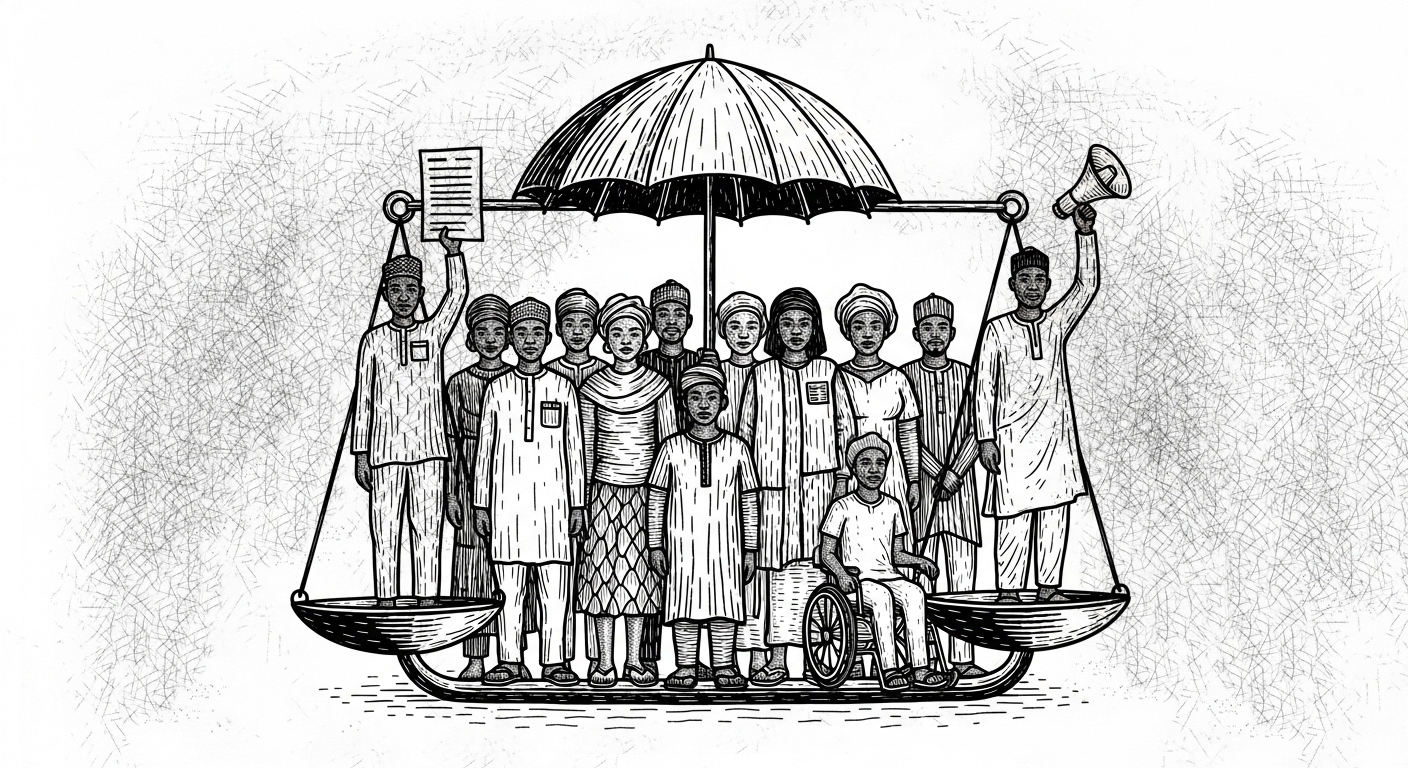

Justice means everyone gets to show up, speak up, and shape the system.
Across Nigeria, too many lives are shaped by exclusion—from women who've never
seen their voices reflected in policy, to persons with disabilities navigating public
spaces and services that weren't built with them in mind.
Rural communities remain underserved not because they are invisible, but because they've been intentionally sidelined. At CISD, inclusion is not a checklist—it's our lens, our ethic, our commitment.
We work to ensure that governance, opportunity, and dignity reach every corner and every voice, especially those furthest from power.
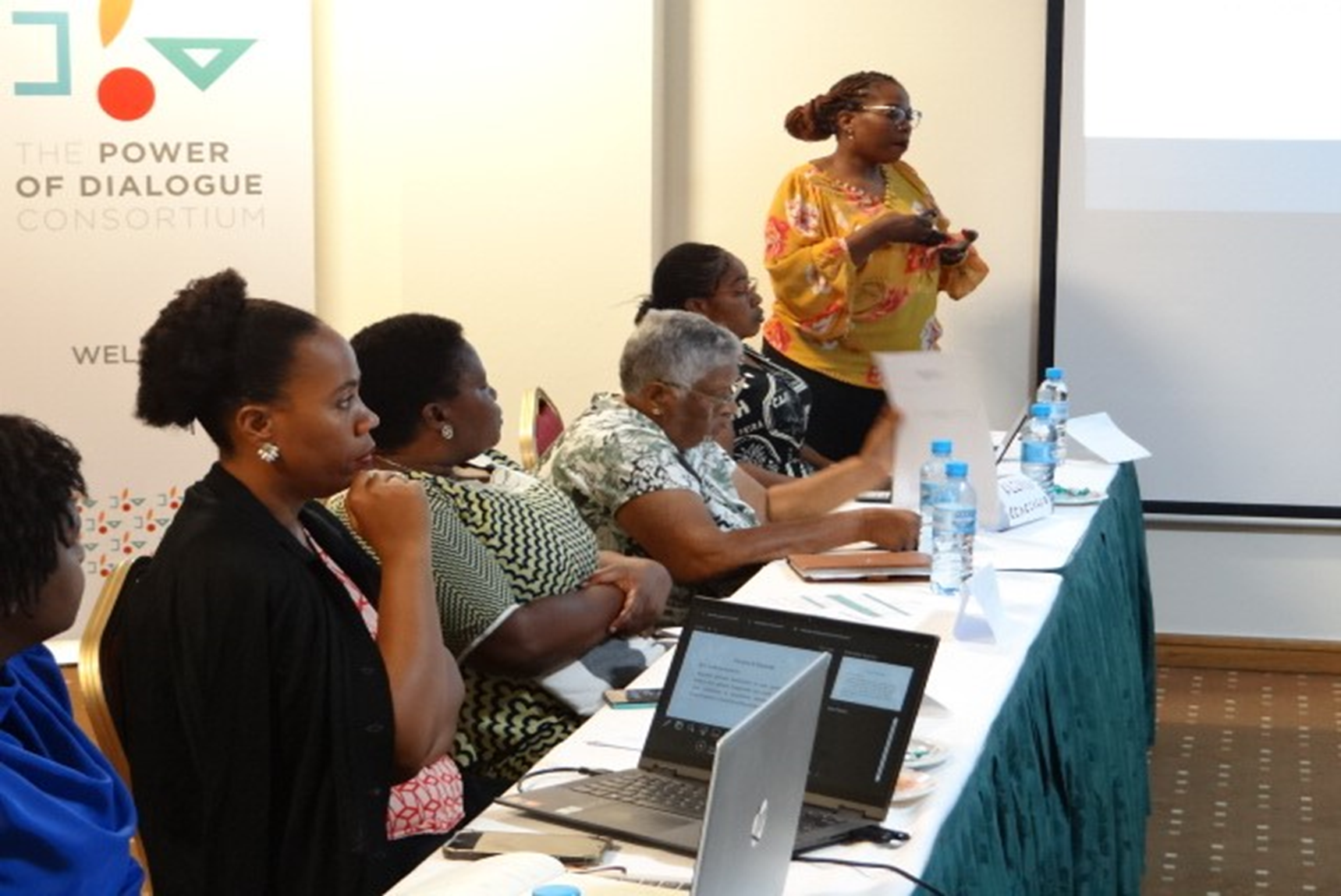
We train and support women to lead in civic spaces—whether they're contesting elections, holding local office, or organizing in their communities. From capacity-building to public storytelling, we center the voices of women as decision-makers and movement builders.
Working with MDAs and civil society partners, we assess how policies, budgets, and programs reflect (or fail to reflect) diverse realities—especially those of women, persons with disabilities, and rural dwellers. Our audit tools help institutions go beyond intentions to measurable outcomes.
We design and pilot interventions rooted in accessibility, cultural relevance, and equity. Whether it's accessible service design, rural civic education, or social protection outreach, we build programs with—not just for—these communities.
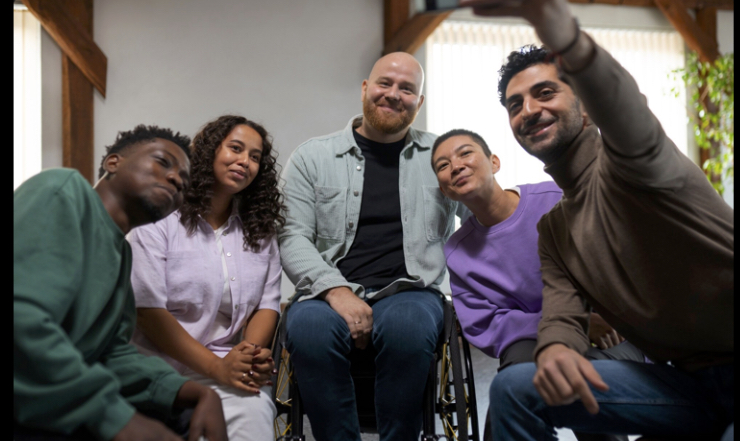
This paper outlines a practical framework for assessing how inclusive governance institutions truly are — beyond rhetoric or compliance checklists. It introduces step-by-step methodologies for designing and conducting Institutional Inclusion Audits, helping organizations identify structural barriers to participation, representation, and access.
READ MOREA spotlight report on women leaders emerging from our #SheLeads campaigns across five states.
READ THE REPORT