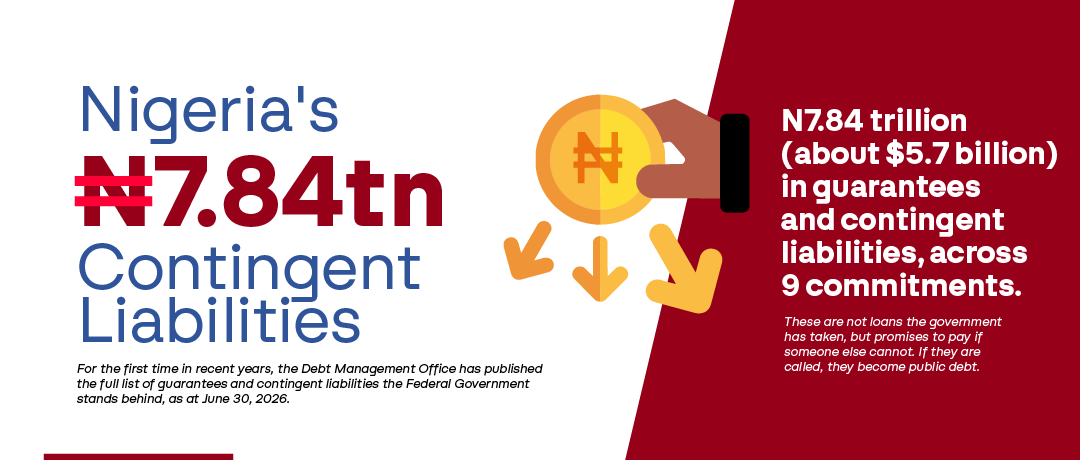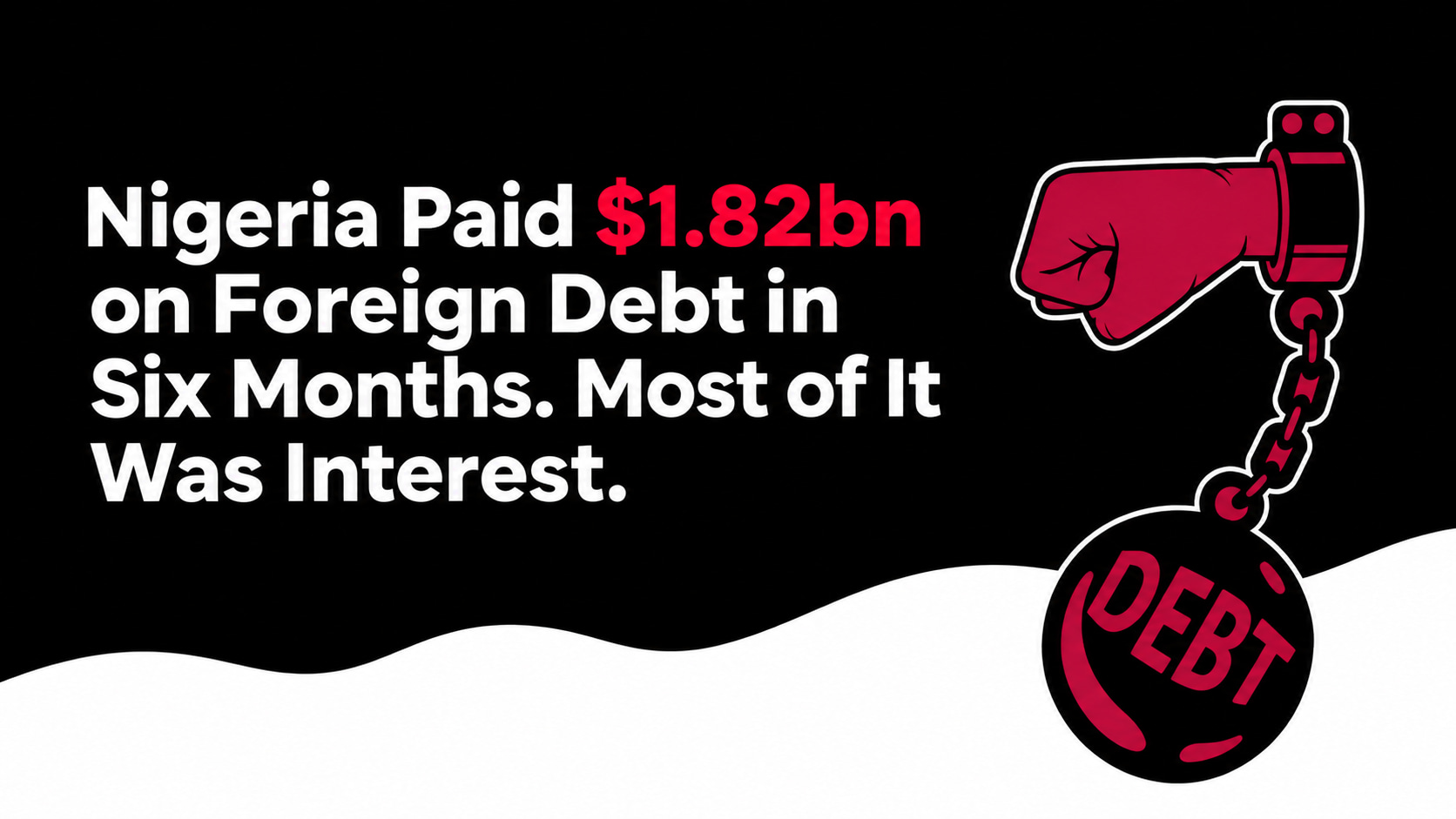
Every loan Nigeria takes is approved in the name of its citizens. Yet, how much do Nigerians know about what is borrowed, where the money goes, what it delivers and who is responsible when things go wrong?
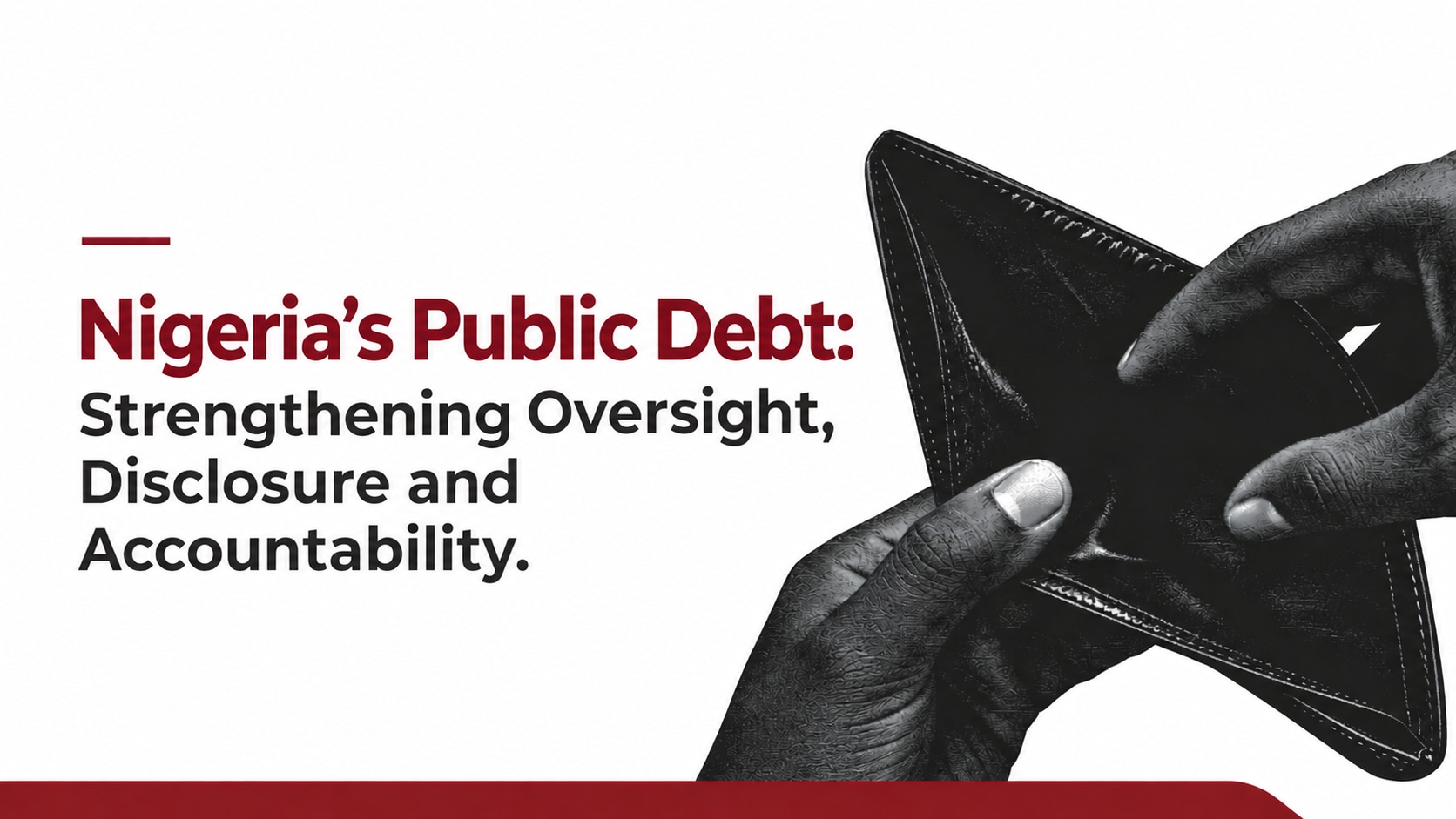
This question shaped “Nigeria’s Public Debt: Strengthening Oversight, Disclosure and Accountability,” a webinar organised by the Centre for Inclusive Social Development (CISD) in partnership with Heinrich Böll Stiftung Abuja.
Moderated by Ayomide Ladipo, the conversation brought together Chinedu Bassey, Isaac Botti and Tobechukwu Ezeuko, who examined the gaps in Nigeria’s public debt management system, from loan approval and disbursement to project implementation, reporting and accountability.
A central concern was the fragmentation of debt reporting across institutions, which makes it difficult to establish a clear picture of how borrowed funds are managed. The discussion also highlighted weaknesses in the enforcement powers of the Fiscal Responsibility Commission, delays in reporting to the National Assembly and the limited ability to track loans to specific projects and measurable public benefits.
The speakers identified practical reforms, including strengthening the Fiscal Responsibility Commission, linking every loan to clearly defined projects and cost-benefit analysis, enforcing timely debt reporting, and creating accessible channels through which citizens can report concerns about debt-funded projects.
The conversation also reinforced an important point: citizens are not merely beneficiaries of government projects. They have a right to know how public resources are raised, managed and spent, and to hold their elected representatives accountable.
For CISD, these are central to strengthening public debt transparency and accountability. As part of this commitment, CISD is working towards a public debt tracker that will help Nigerians understand what the country owes, what the borrowed funds are intended to finance and how citizens can engage with the information.
The message from the webinar was clear: Nigeria has debt rules. What it needs is stronger enforcement, transparency and accountability.
Read the full webinar recap
Explore the key arguments, institutional gaps, proposed reforms and practical actions for citizens in the full recap.
The Centre for Inclusive Social Development (CISD) is a non-profit research and advocacy organisation working to advance inclusive governance, gender and social equity, civic technology, and sustainable livelihoods across Nigeria and sub-Saharan Africa. Through rigorous research, coalition-building, and public-interest storytelling, CISD amplifies the voices of marginalised communities and holds power accountable.
Learn more at cisdnigeria.org or follow us on social media.
How to cite this article
Job Olaniran. (2026, November 10). Nigeria Has the Debt Rules. What It Needs Is Enforcement: Key Lessons from CISD’s Public Debt Webinar. CISD Insights. Centre for Inclusive Social Development. Retrieved from https://cisdnigeria.org/article/nigeria-has-the-debt-rules-what-it-needs-is-enforcement-key-lessons-from-cisds-public-debt-webinar/.