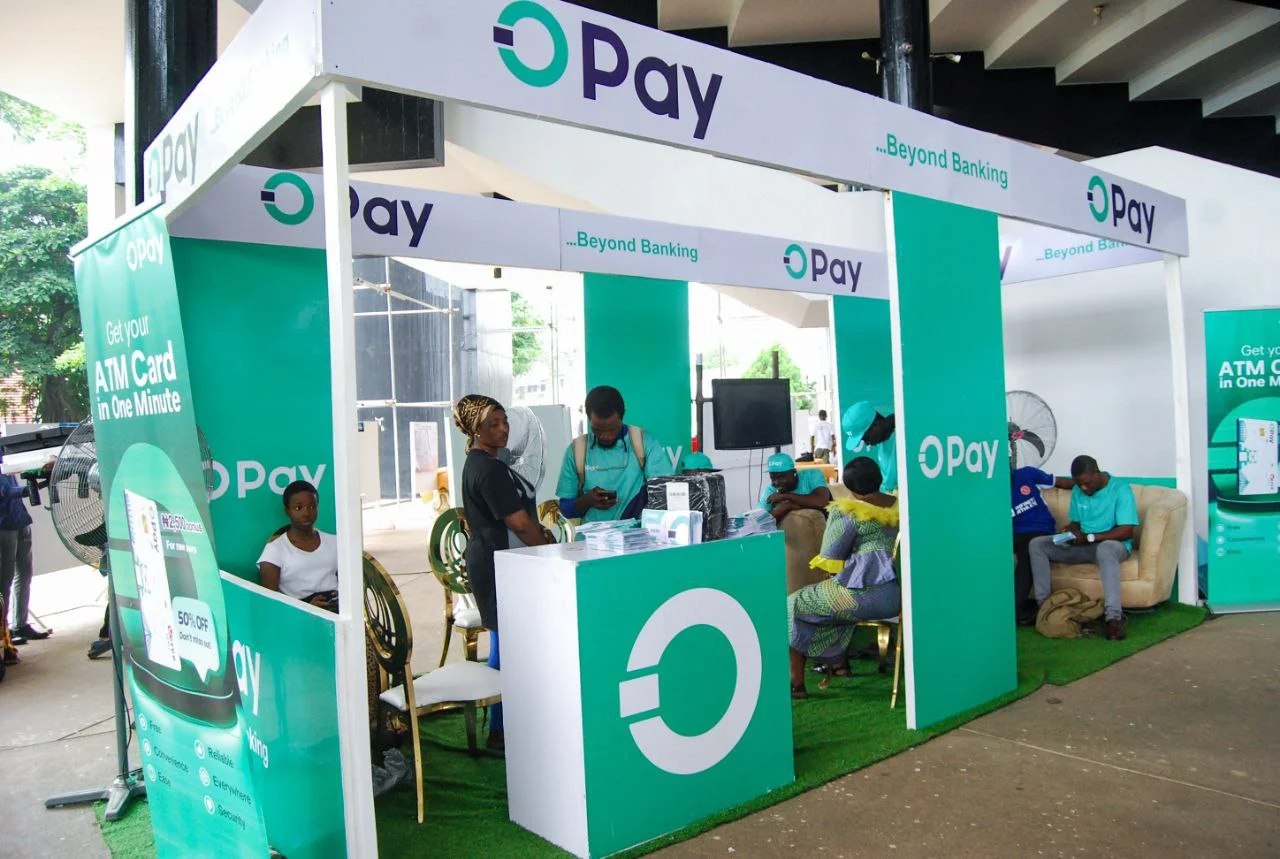
There's something quietly radical happening on the streets of Nigeria. It's not in the halls of power or the executive towers of old-money banks; it's in the hands of bike riders, market women, students, and small traders. It hums quietly through the glow of a mobile screen tucked into any affordable smartphone. Its name is Opay.
Opay isn't about hype. It's about what happens when technology meets intention and when a product isn't just designed to be used but designed to be understood. Today, Opay has etched itself as the poster child for digital banks in Nigeria.
About two weeks ago, a popular Nigerian fintech company launched a product that had perceived features with Opay. In a typical Nigerian social media conversation style, an argument ensues about the need for this product when Opay existed; the product is entirely different from Opay's purpose and design. However, something caught my attention and led to this article (screenshot below): A X user tweeted that if you use Opay, they won't take you seriously, a post that another user rightly rebutted.

Screenshot of X (Twitter) post showing the exchange that inspired this analysis - one user claiming Opay users aren't taken seriously, and another user's rebuttal defending the platform's value.
From Buzzword to Reality: When Financial Inclusion Actually Includes
Financial inclusion has been a buzzword for decades in policy spaces, development circles, and government strategy documents. But for most Nigerians, it remained an idea that never quite showed up in their lives. What good is inclusion if it doesn't feel like access? If it doesn't protect you from avoidable errors? If it doesn't warn you before you send ₦20,000 instead of ₦2,000? Or help you know your bank is having a bad day in real-time?
Opay didn't come through the front door of prestige; it went through the side, through experience. It didn't wait for validation from elite financial circles. Instead, it listened to the people who don't get listened to often: the woman who sells akara in Ojuelegba, the bus conductor in Mararaba, and the student in Ekpoma trying to split her ₦1,500 allowance between data and dinner.
The Dignity in Design: Why Simple Features Matter
It's easy to mock what you don't understand. That's what that viral post tried to do. But if financial dignity is unserious to some, it's because some people never know what it feels like to be locked out of the system or to find a door that finally opens.
Opay's features may seem simple. But they carry the weight of thoughtfulness: an alert for pending transfers, transparency around transaction delays, and preventive nudges before significant mistakes. These are not just features. They are reminders that someone, somewhere, considered your reality when building this.
That makes Opay more than a fintech; it's a civic technology, a quiet revolution, and a refusal to accept that only some people deserve seamless financial access.
Lessons for Governance: Building Systems That Listen First
This philosophy shapes how we approach governance, policy, and community development at the Centre for Inclusive Social Development (CISD). We believe systems must not only be built for people but also with them and in the context of their daily lives. It is no longer enough to develop brilliant reforms in boardrooms while citizens are left outside the frame. Like Opay, we are committed to designing systems that listen first.
Whether in shaping budgets, delivering services, or structuring feedback loops, our work insists on grounding policy in people's lived experiences. We want a future where citizens don't have to beg for dignity in education, healthcare, or livelihoods, where the government doesn't only show up in emergencies but is as present, responsive, and intuitive as the app on their phones.
Opay reminds us that inclusion is not an abstract policy ideal; it's a design principle. We are proud to carry into every program, partnership, and reform we champion at CISD. Real innovation isn't in technology; it's in the courage to see people fully and build from there.
The Centre for Inclusive Social Development (CISD) is a non-profit research and advocacy organisation working to advance inclusive governance, gender and social equity, civic technology, and sustainable livelihoods across Nigeria and sub-Saharan Africa. Through rigorous research, coalition-building, and public-interest storytelling, CISD amplifies the voices of marginalised communities and holds power accountable.
Learn more at cisdnigeria.org or follow us on social media.
How to cite this article
Folahan Johnson. (2025, August 19). Meeting People Where They Are: What Opay Teaches Us about Designing for Dignity. CISD Insights. Centre for Inclusive Social Development. Retrieved from https://cisdnigeria.org/article/meeting-people-where-they-are-what-opay-teaches-us-about-designing-for-dignity-19/.