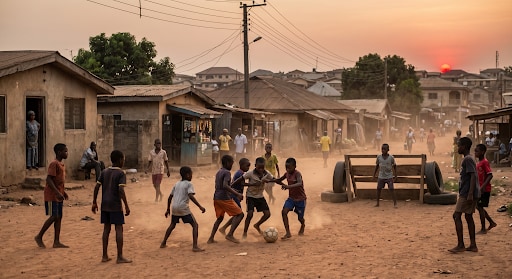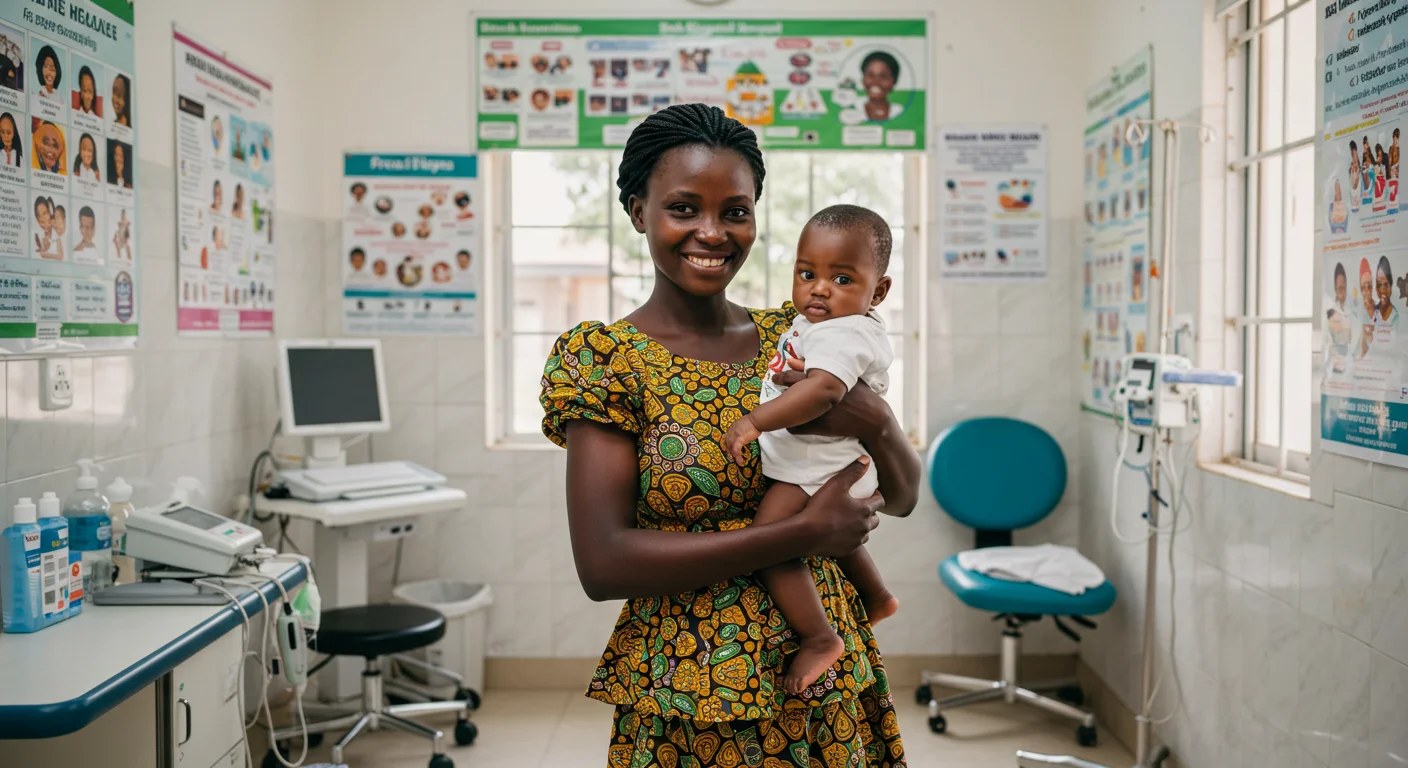
Maternal and child health refers to the health and well-being of mothers, infants, and children, with a focus on the care they receive before, during, and after childbirth. It includes services and interventions that ensure safe pregnancy and delivery, promote healthy growth and development, and prevent or treat illnesses and conditions that can affect mothers and their children. This analysis explores the evolution of maternal and child health in Nigeria, highlighting key milestones, policies, and ongoing challenges that have shaped the country's healthcare landscape over six decades.
The Foundation Years: Building Nigeria's Health Framework
The journey of maternal and child health development in Nigeria has been both intricate and multifaceted, reflecting a blend of progress and enduring challenges. Since independence in 1960, Nigeria has worked to enhance the health and well-being of mothers and children by prioritizing accessible, quality healthcare, acknowledging its pivotal role in the nation's overall development. In the early years following independence, Nigeria's healthcare focus was primarily on combating infectious diseases, with limited attention given to maternal and child health.
During this period, health services were centralized, and access to quality care for mothers and children was inadequate, especially in rural areas. It was not until the late 1970s that maternal and child health began to receive more focused attention, largely due to Nigeria's adoption of the Primary Health Care (PHC) approach. The PHC model, influenced by the Alma-Ata Declaration of 1978, emphasized accessible and community-based health services, which included maternal and child health as one of its key components. This shift marked the beginning of more structured efforts to address the health needs of mothers and children.
The 1990s: Targeted Interventions and Program Development
The 1990s saw the introduction of specific programs aimed at improving maternal and child health in Nigeria. One notable initiative was the Safe Motherhood Initiative, launched to reduce the high rates of maternal mortality by improving access to quality obstetric care. This initiative highlighted the critical need for skilled birth attendants and emergency obstetric services, particularly in rural areas where maternal deaths were most prevalent. Additionally, the Expanded Programme on Immunization (EPI) was introduced to protect children from vaccine-preventable diseases, contributing significantly to reductions in child mortality rates.
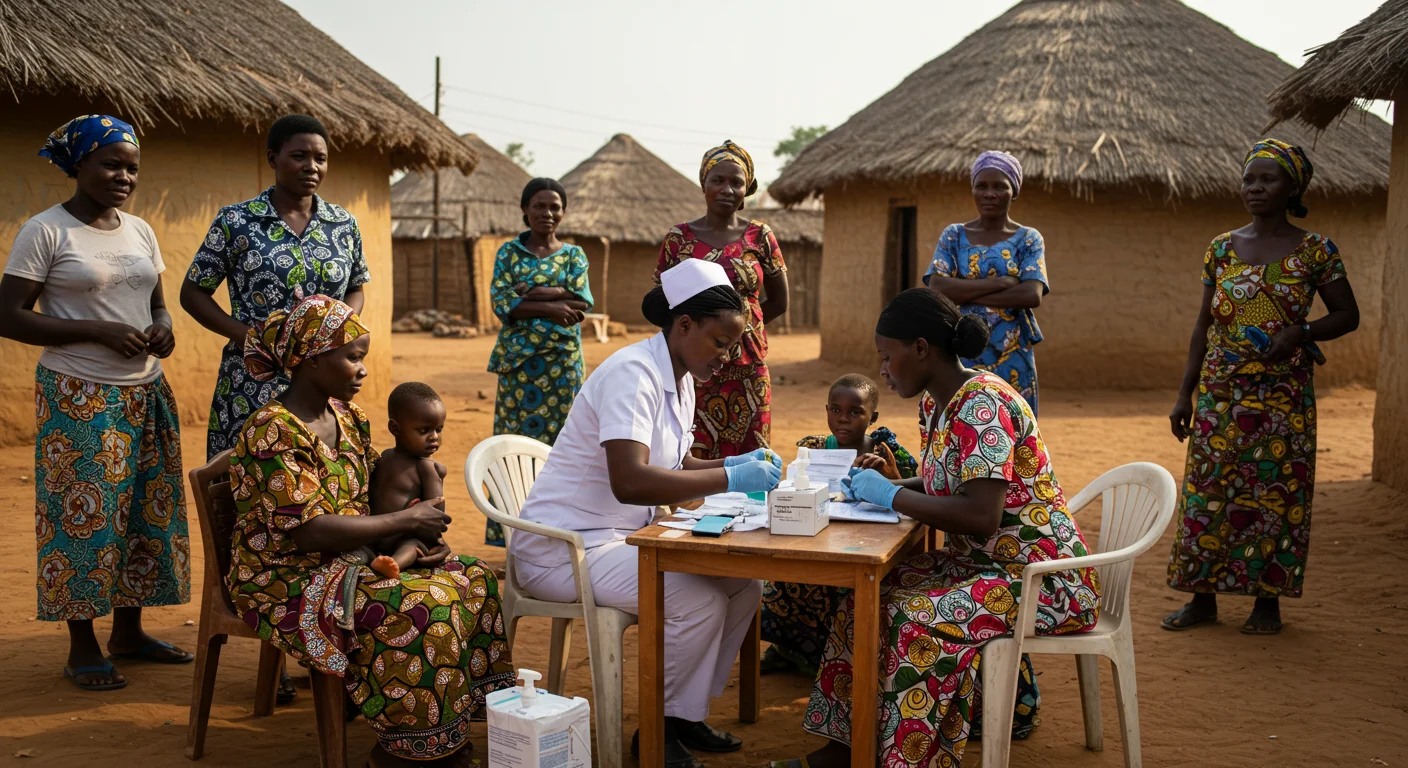
Healthcare workers conducting immunization and maternal health check-ups in rural Nigeria, representing the expanded health programs of the 1990s.
Challenges and International Commitments: The 2000s
Despite these efforts, Nigeria continued to face significant challenges in improving maternal and child health throughout the 2000s. High rates of maternal and child mortality remained a pressing concern, driven by factors such as inadequate healthcare infrastructure, insufficient skilled healthcare workers, and socio-economic barriers that limited access to care. In response to these challenges, Nigeria committed to the United Nations Millennium Development Goals (MDGs), which included specific targets for reducing child mortality and improving maternal health.
Nigeria's commitment to the Millennium Development Goals led to increased international support and funding, which helped expand maternal and child health programs across the country. However, progress towards the MDG targets was uneven, and Nigeria struggled to achieve the desired reductions in mortality rates by the 2015 deadline.
Recent Developments and Policy Framework
In recent years, Nigeria has continued to prioritize maternal and child health, guided by a series of strategic initiatives and policies. The National Health Act of 2014 was a significant milestone, establishing a legal framework for healthcare provision that includes specific provisions for maternal and child health services. The National Strategic Health Development Plan further outlines strategies to improve maternal and child health, such as increasing the number of skilled birth attendants, expanding immunization coverage, and enhancing access to family planning services.
The Current Reality: Statistics That Demand Action
Nigeria continues to grapple with significant challenges in achieving optimal maternal and child health outcomes. The country has one of the highest maternal mortality rates in the world, with approximately 576 deaths per 100,000 live births as of 2023, according to UNICEF. This statistic reflects the severe challenges that pregnant women face, including limited access to quality prenatal and delivery care, insufficient skilled birth attendants, and inadequate emergency obstetric services. Only about 43% of births in Nigeria are attended by skilled health personnel, far below the global target.
Child health presents an equally concerning picture, with Nigeria having one of the highest under-five mortality rates globally at approximately 114 deaths per 1,000 live births. This means about 1 in 10 Nigerian children do not survive to their fifth birthday. Major causes include preventable conditions such as malaria, pneumonia, diarrhea, and neonatal complications. The situation is exacerbated by malnutrition, with around 37% of children under five being stunted, 7% wasted, and 22% underweight.
Addressing Systemic Barriers and Looking Forward
Access to maternal and child health services remains uneven, with significant disparities between urban and rural areas and across different regions. The northern regions, particularly the Northeast, have some of the worst health indicators due to ongoing conflict, poor infrastructure, and socio-economic challenges. The healthcare system faces obstacles including inadequate infrastructure, insufficient funding, and a lack of skilled healthcare workers.
International support and partnerships have played a crucial role in Nigeria's efforts to improve maternal and child health. Organizations such as UNICEF, WHO, and various non-governmental organizations have provided funding, technical assistance, and capacity-building support. However, achieving substantial progress requires sustained commitment to strengthening the health system, addressing socio-economic barriers, and ensuring healthcare services are accessible, affordable, and of high quality for all.
The Path Forward: Building a Healthier Nigeria
Looking to the future, Nigeria's efforts to improve maternal and child health must continue to focus on expanding access to quality services, particularly in underserved areas. Strengthening the health system, improving data collection, and ensuring effective implementation of health policies are crucial steps toward achieving sustainable improvements. Community engagement and education are essential components, as empowering communities with knowledge and resources can promote healthy practices and encourage early healthcare-seeking behavior.
The development of maternal and child health in Nigeria reflects a journey of both progress and persistent challenges. While significant strides have been made, particularly in expanding access to care and implementing targeted health programs, much work remains. By addressing systemic barriers and continuing to prioritize the health of mothers and children, Nigeria can make further progress toward ensuring that every mother and child has the opportunity to live a healthy and fulfilling life.
The Centre for Inclusive Social Development (CISD) is a non-profit research and advocacy organisation working to advance inclusive governance, gender and social equity, civic technology, and sustainable livelihoods across Nigeria and sub-Saharan Africa. Through rigorous research, coalition-building, and public-interest storytelling, CISD amplifies the voices of marginalised communities and holds power accountable.
Learn more at cisdnigeria.org or follow us on social media.
How to cite this article
Folahan Johnson. (2025, August 19). Maternal and Child Health in Nigeria: Progress and Challenges. CISD Insights. Centre for Inclusive Social Development. Retrieved from https://cisdnigeria.org/article/maternal-and-child-health-in-nigeria-progress-and-challenges-32/.