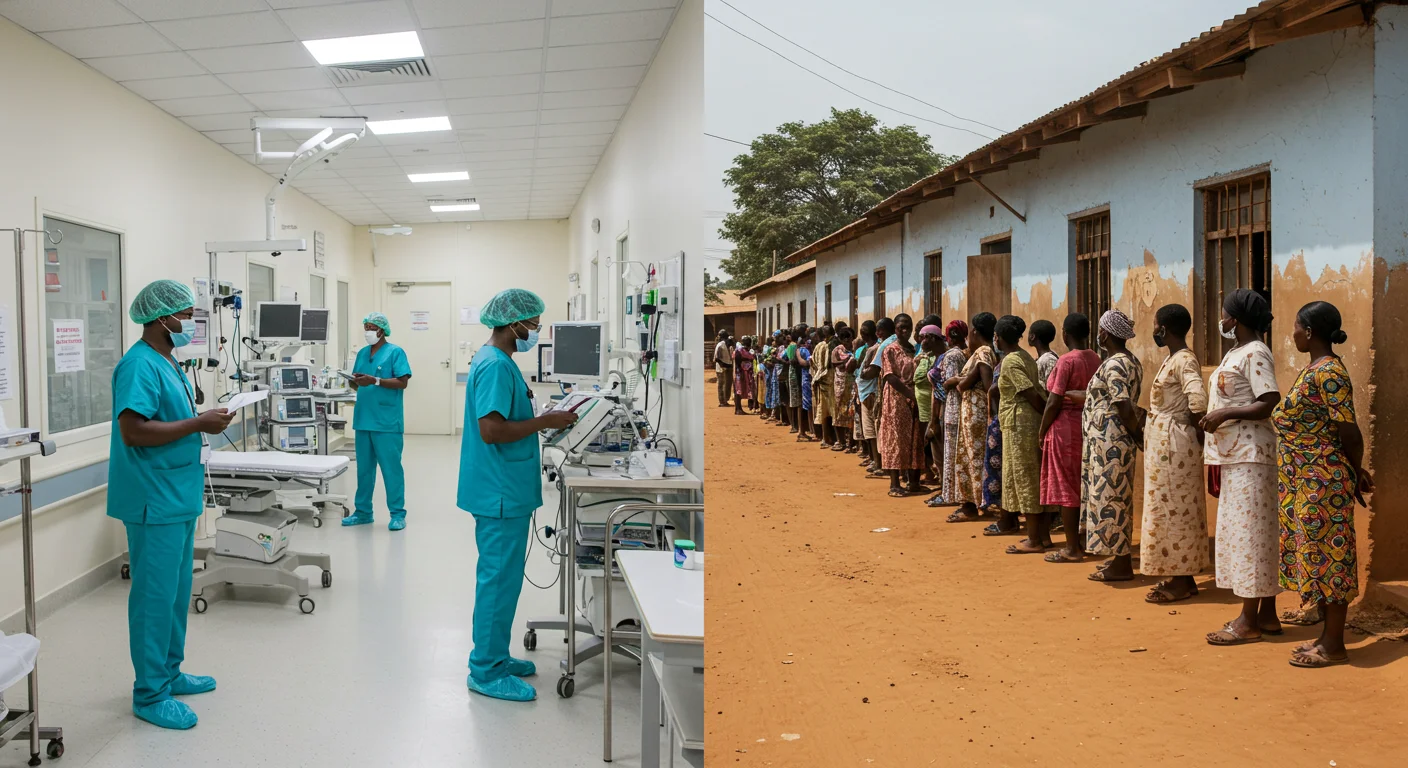
In the bustling corridors of Lagos University Teaching Hospital, Dr. Adunni Okafor performs a complex cardiac surgery using state-of-the-art equipment, supported by a team of specialist physicians and advanced diagnostic technology. The same morning, 800 kilometers north in rural Sokoto State, Hajiya Fatima Usman walks fifteen kilometers to the nearest health center, only to find it lacks basic medications to treat her diabetic condition. These two stories, separated by geography and resources, capture the stark reality of Nigeria's healthcare divide—a crisis that threatens to undermine the nation's development goals and the fundamental right to health for all citizens.
Nigeria's healthcare system presents a paradox of excellence and neglect, where world-class medical facilities coexist with severe shortages of basic health services. While the country boasts some of Africa's most advanced teaching hospitals and has produced internationally renowned medical professionals, millions of Nigerians lack access to even primary healthcare. This disparity extends beyond individual suffering, representing a systemic challenge that perpetuates poverty, reduces economic productivity, and exacerbates social inequalities across the nation.
The Scale of Healthcare Inequality
Current data from the Federal Ministry of Health reveals that Nigeria has one of the world's highest burdens of preventable diseases, with significant variations in health outcomes between regions and socioeconomic groups. While Lagos State boasts a doctor-to-patient ratio of 1:1,200, states like Yobe and Zamfara struggle with ratios exceeding 1:10,000—far below the World Health Organization's recommended standard of 1:600.
The statistics paint a sobering picture: Nigeria accounts for 10% of global maternal deaths despite having only 2% of the world's population. Under-five mortality rates range from 89 deaths per 1,000 live births in Lagos to 201 deaths per 1,000 in Kebbi State. These disparities reflect not just resource allocation challenges, but fundamental inequities in healthcare infrastructure and service delivery.
Economic Implications of Health Inequality
The Cost of Neglect
The economic burden of Nigeria's healthcare inequality extends far beyond immediate medical costs. Research by the Nigerian Economic Summit Group estimates that poor health outcomes cost the economy approximately $15 billion annually through reduced productivity, increased absenteeism, and premature mortality. Rural communities, where 70% of Nigerians live, bear the heaviest burden of this economic impact.
Healthcare-related impoverishment affects nearly 5 million Nigerian households annually, with families forced to sell assets, borrow money, or forego essential expenses to pay for medical treatment. The lack of universal health coverage means that 90% of healthcare expenses are paid out-of-pocket, making quality care accessible only to those who can afford it.
Infrastructure Disparities: The Urban-Rural Divide
Concentration of Resources
Nigeria's healthcare infrastructure reflects broader patterns of urban bias in resource allocation. While states like Lagos and Abuja host multiple tertiary hospitals with advanced medical equipment, vast rural areas lack basic health centers. The country has approximately 23,000 primary healthcare centers, but only 20% are fully functional, with most concentrated in urban areas.
The disparity is most visible in specialist care availability. Lagos State alone has more cardiologists than the entire northern region, while states like Bauchi and Gombe lack a single functioning MRI machine. This concentration forces rural patients to travel hundreds of kilometers for specialized treatment, often arriving too late for effective intervention.
Recent assessments by the World Bank indicate that 40% of Nigerian communities are more than 5 kilometers from the nearest health facility, with some rural areas requiring journeys of over 50 kilometers to access basic medical care. During rainy seasons, when many rural roads become impassable, entire communities are effectively cut off from healthcare services.
Regional Health Outcomes and Systemic Barriers
The northern regions of Nigeria consistently record the worst health indicators, reflecting a complex interplay of poverty, educational deficits, and inadequate infrastructure. States in the northeast, already struggling with security challenges, face additional burdens of disease outbreaks and malnutrition that overwhelm their limited health systems.
Gender and Health Access
Women in rural Nigeria face compounded disadvantages in accessing healthcare. Cultural barriers, combined with economic constraints and limited mobility, result in significantly lower rates of maternal healthcare utilization. Only 43% of births in Nigeria are attended by skilled health personnel, with rates falling below 20% in some northern states.
Educational disparities also contribute to health inequalities, as communities with lower literacy rates often have limited health knowledge and are less likely to seek preventive care or follow treatment protocols.
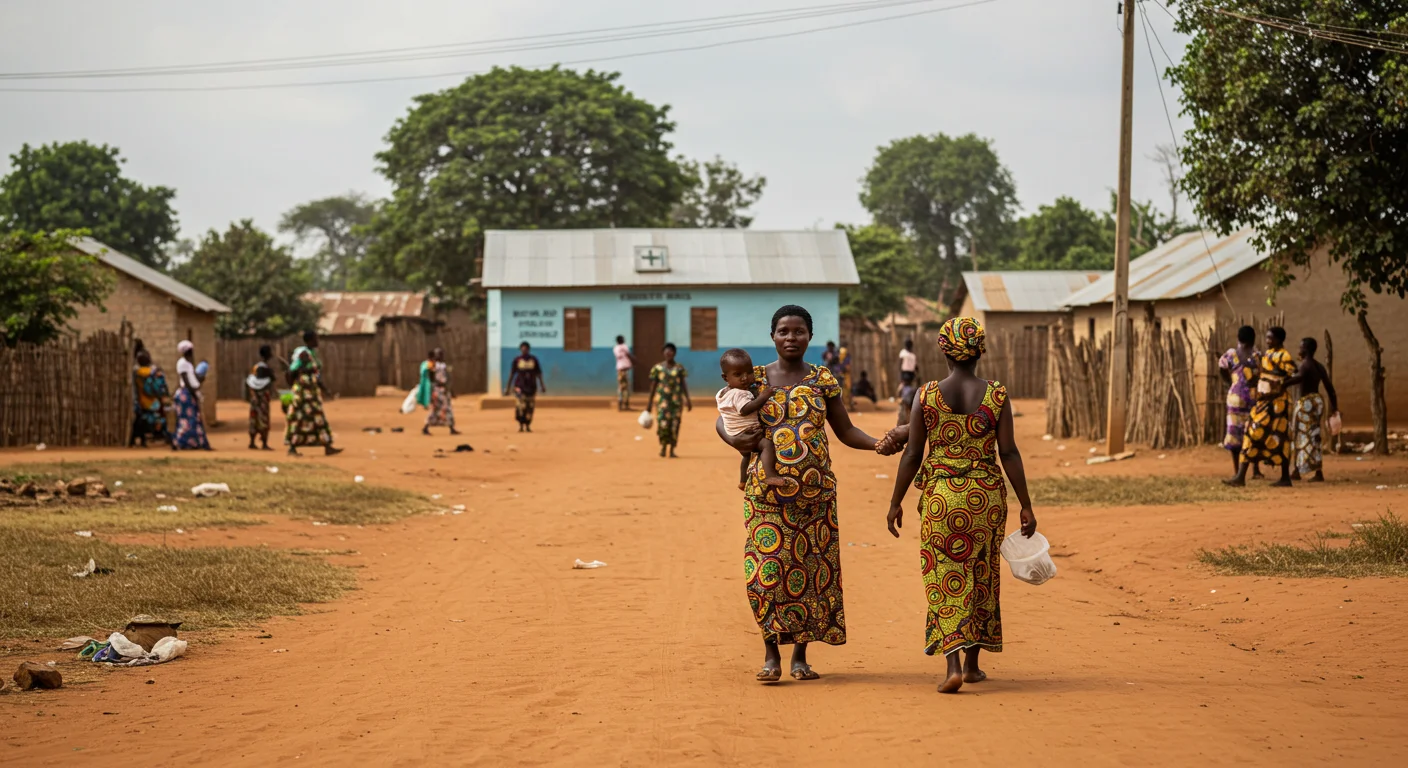
Rural Nigerian women often travel long distances to access basic maternal healthcare, with some communities located over 50 kilometers from the nearest functional health facility.
Innovation and Community-Driven Solutions
Despite systemic challenges, innovative solutions are emerging across Nigeria's health sector. Telemedicine initiatives are connecting rural patients with specialist physicians in urban centers, while mobile health clinics bring essential services directly to underserved communities. The Lagos State Health Management Agency's successful implementation of a social health insurance scheme demonstrates the potential for innovative financing mechanisms to improve access.
Technology as an Equalizer
Digital health platforms are showing promise in addressing healthcare inequality. The Airtel-Partnership for Applied Research and Clinical Health (PARC) project uses mobile technology to provide health information and connect patients with healthcare providers. Similarly, the LifeBank initiative uses technology to improve access to blood products and essential medications in remote areas.
Community health programs have also demonstrated significant impact. The Kebbi State Community-based Health Insurance scheme, which covers over 1.2 million residents, shows how locally-adapted solutions can improve healthcare access while maintaining financial sustainability.
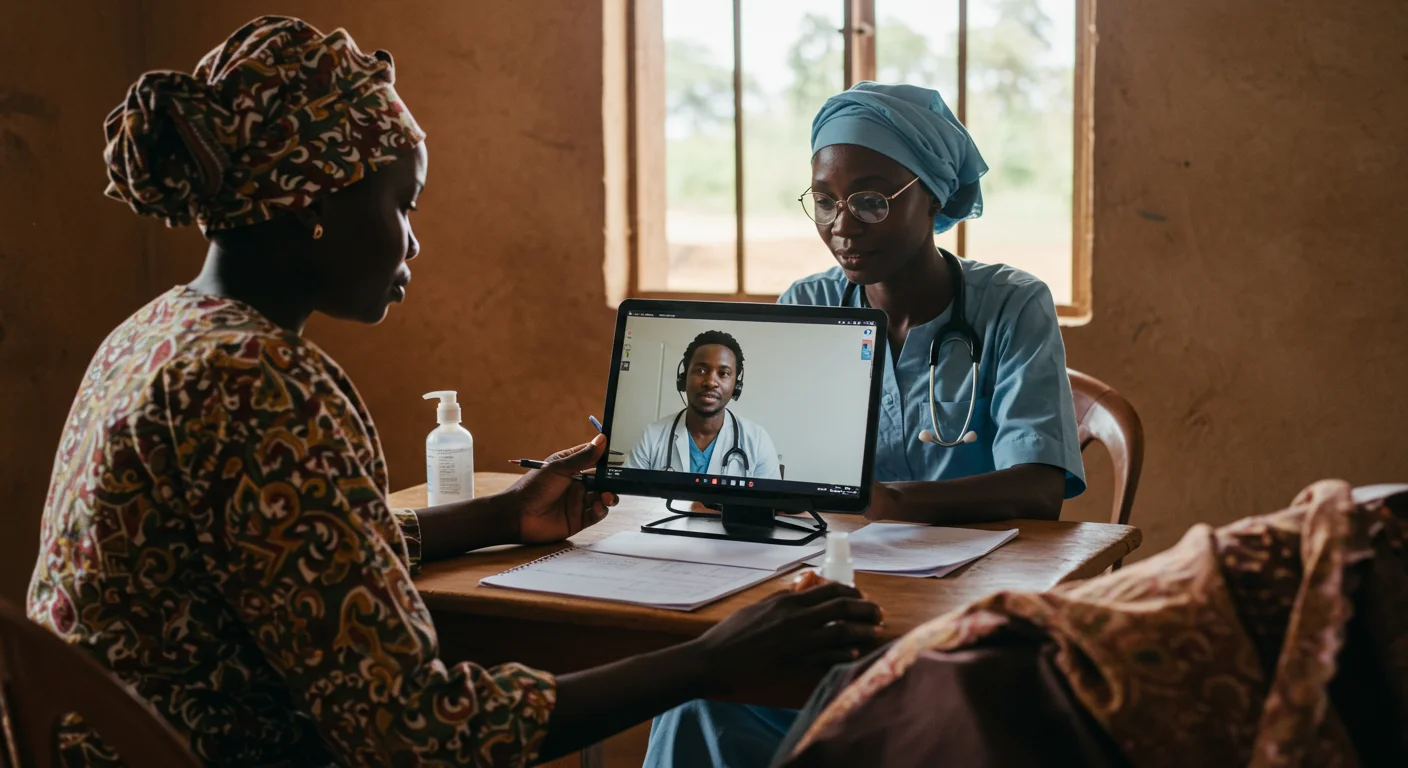
Telemedicine initiatives are connecting rural Nigerian patients with specialist physicians in urban centers, demonstrating technology's potential to bridge healthcare inequality gaps.
Policy Interventions and Health System Reform
The Nigerian government has recognized healthcare inequality as a critical challenge, implementing policies aimed at achieving universal health coverage by 2030. The National Health Insurance Authority (NHIA) has expanded coverage to include informal sector workers and vulnerable populations, while the Basic Health Care Provision Fund aims to strengthen primary healthcare delivery.
However, implementation challenges persist. Inadequate funding, weak health system governance, and limited human resources continue to constrain progress. The country allocates only 4.16% of its budget to healthcare, far below the 15% target set by the Abuja Declaration on Health.
State-level initiatives offer valuable lessons for national policy. Cross River State's comprehensive health insurance program and Enugu State's partnership with private providers demonstrate how innovative approaches can improve health outcomes while managing costs.
International Partnerships and Support
International collaboration plays a crucial role in addressing Nigeria's healthcare challenges. Organizations like the Global Fund, USAID, and the Bill & Melinda Gates Foundation support programs targeting malaria, tuberculosis, HIV/AIDS, and maternal health. However, sustainable solutions require building local capacity rather than creating long-term dependency on external assistance.
The African Development Bank's investment in Nigeria's health infrastructure, including the construction of specialist hospitals and health training institutions, represents a strategic approach to building long-term capabilities. Similarly, partnerships with South African and Egyptian health institutions are facilitating knowledge transfer and capacity building.
Building an Equitable Health System
Nigeria's path to healthcare equity requires sustained commitment across multiple fronts. Increasing domestic health financing, strengthening primary healthcare systems, and addressing social determinants of health are essential for achieving universal coverage. The private sector also has a crucial role to play, particularly in extending services to underserved areas through innovative partnership models.
Success will require addressing not just healthcare delivery, but the broader socioeconomic factors that drive health inequalities. This includes improving education, ensuring food security, providing clean water and sanitation, and creating economic opportunities in rural areas.
The stakes could not be higher. Nigeria's demographic dividend—its large, youthful population—can only be realized if all citizens have access to quality healthcare. As the country positions itself as a regional leader, ensuring health equity is not just a moral imperative but a strategic necessity for sustainable development and national prosperity.
The Centre for Inclusive Social Development (CISD) is a non-profit research and advocacy organisation working to advance inclusive governance, gender and social equity, civic technology, and sustainable livelihoods across Nigeria and sub-Saharan Africa. Through rigorous research, coalition-building, and public-interest storytelling, CISD amplifies the voices of marginalised communities and holds power accountable.
Learn more at cisdnigeria.org or follow us on social media.
How to cite this article
Funso Oyebami. (2025, July 25). Healthcare Inequality in Nigeria: Bridging the Gap Between Urban Excellence and Rural Neglect. CISD Insights. Centre for Inclusive Social Development. Retrieved from https://cisdnigeria.org/article/healthcare-inequality-in-nigeria-bridging-the-gap-between-urban-excellence-and-rural-neglect/.