On a rainy morning in Kubwa, plastic bottles floated where children once played. The drain had disappeared beneath layers of waste, and within hours, the street became a shallow river. For residents, flooding was no longer a surprise; it was a seasonal certainty.
This is the same story in Lagos. Streets in Mushin, Agege, and Ajegunle are regularly flooded. Cars stalled, homes ruined, and livelihoods vanished overnight. More than 3,000 homes are affected, not by chance, but by years of blocked drains, illegal dumping, and uneven waste services.
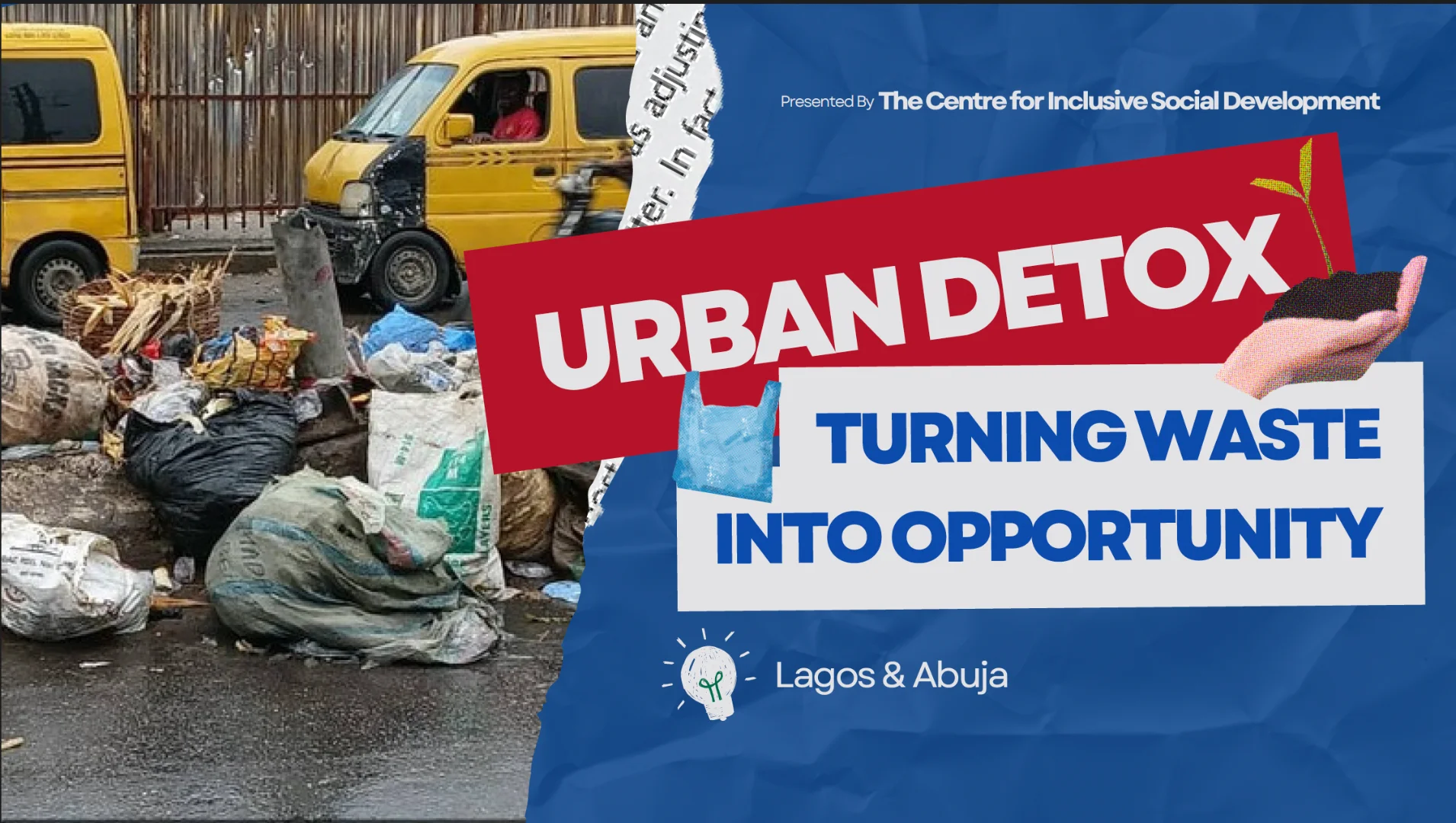
The Centre for Inclusive Social Development (CISD) birthed "Urban Detox" to spotlight this reality. Led by young researchers, the initiative set out to expose what many already knew but few had documented.
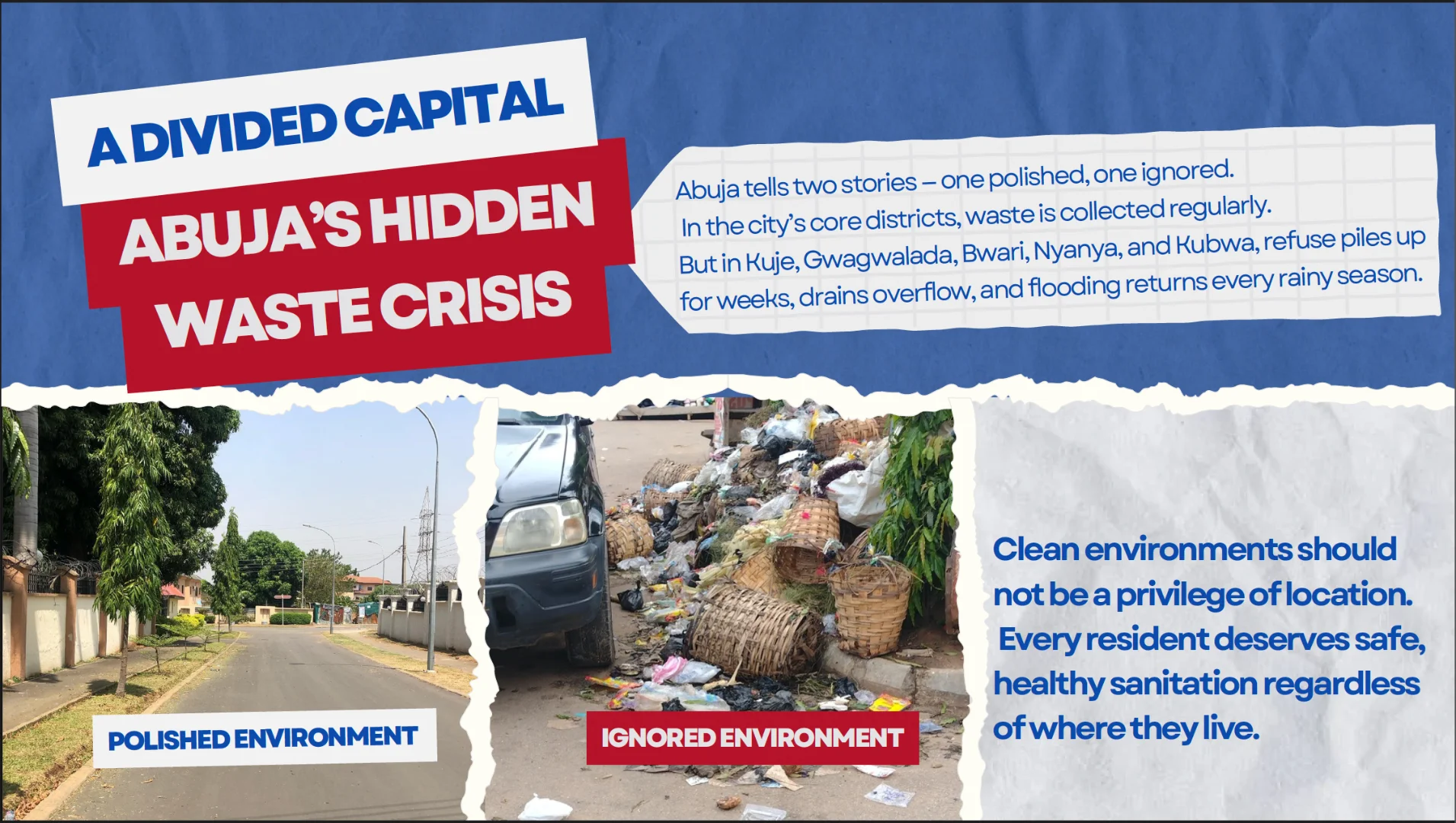
In the country's capital, Abuja, the central districts enjoy regular waste collection, while peri-urban communities like Kuje, Gwagwalada, and Nyanya are left to cope with overflowing dumps, open burning, and flooded streets.
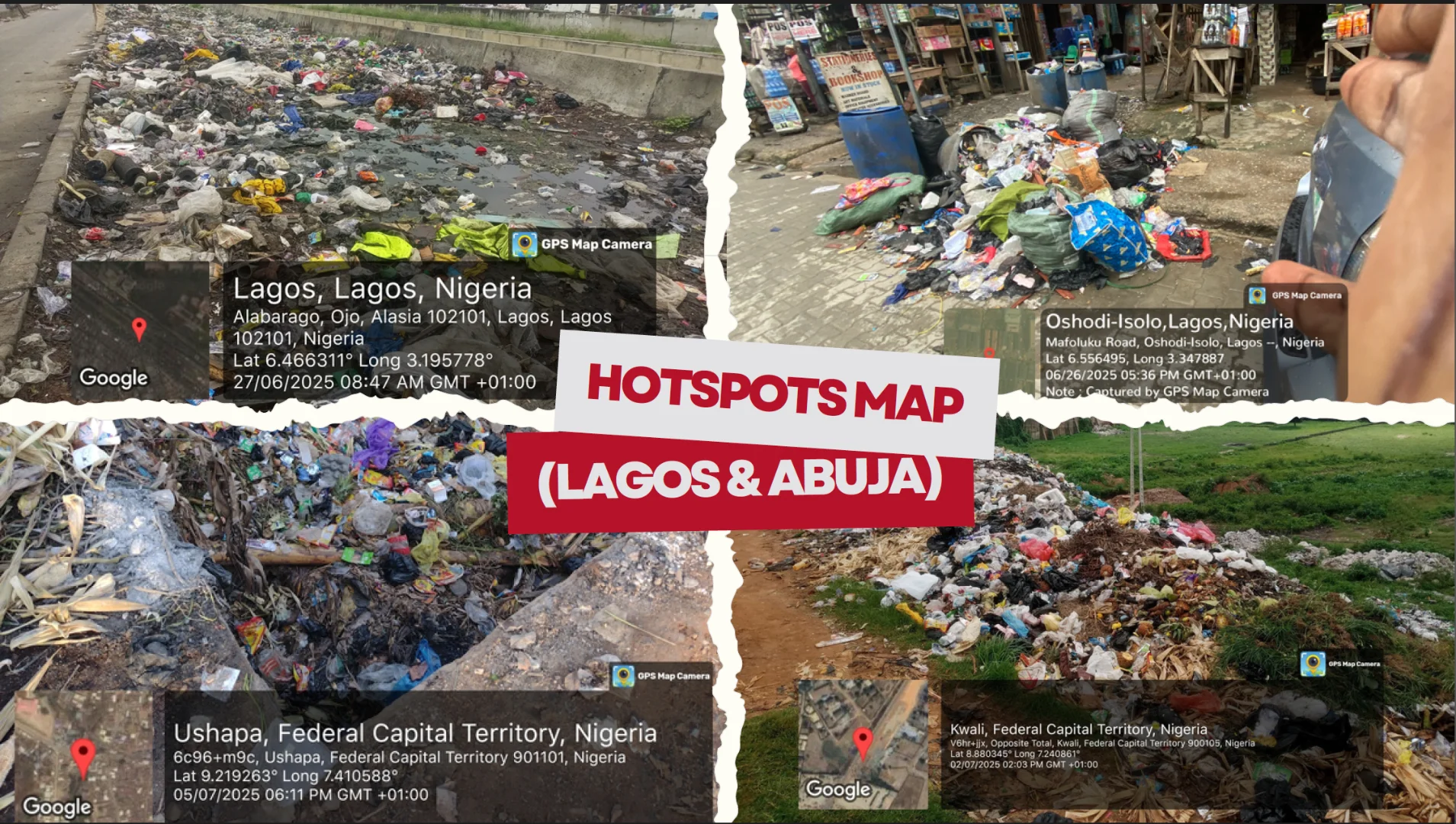
Rather than rely on reports from behind desks, Urban Detox went into the streets. Youth teams mapped hidden waste hotspots, documented blocked drainage channels, and recorded the voices of residents living with the consequences of neglect. Their findings revealed how poor sanitation fuels flooding, disease, and economic loss, and how policy gaps keep the crisis alive.
But Urban Detox is not just about exposing failure. It is about showing what is possible. From pilot waste segregation and community composting hubs to recycling cooperatives and methane gas capture, the project outlines a clear path toward circular, climate-smart sanitation systems.
At its core, Urban Detox carries a simple message: clean environments should not be a privilege. With evidence, community voices, and youth leadership, Nigerian cities can move from emergency cleanup to lasting solutions and turn waste into opportunity.
The Centre for Inclusive Social Development (CISD) is a non-profit research and advocacy organisation working to advance inclusive governance, gender and social equity, civic technology, and sustainable livelihoods across Nigeria and sub-Saharan Africa. Through rigorous research, coalition-building, and public-interest storytelling, CISD amplifies the voices of marginalised communities and holds power accountable.
Learn more at cisdnigeria.org or follow us on social media.
How to cite this article
Praise Emerhirhi. (2026, February 5). CISDs' "Urban Detox" Exposes Nigeria’s Waste Management Crisis. CISD Insights. Centre for Inclusive Social Development. Retrieved from https://cisdnigeria.org/article/cisds-urban-detox-exposes-nigerias-hidden-waste-crisis/.