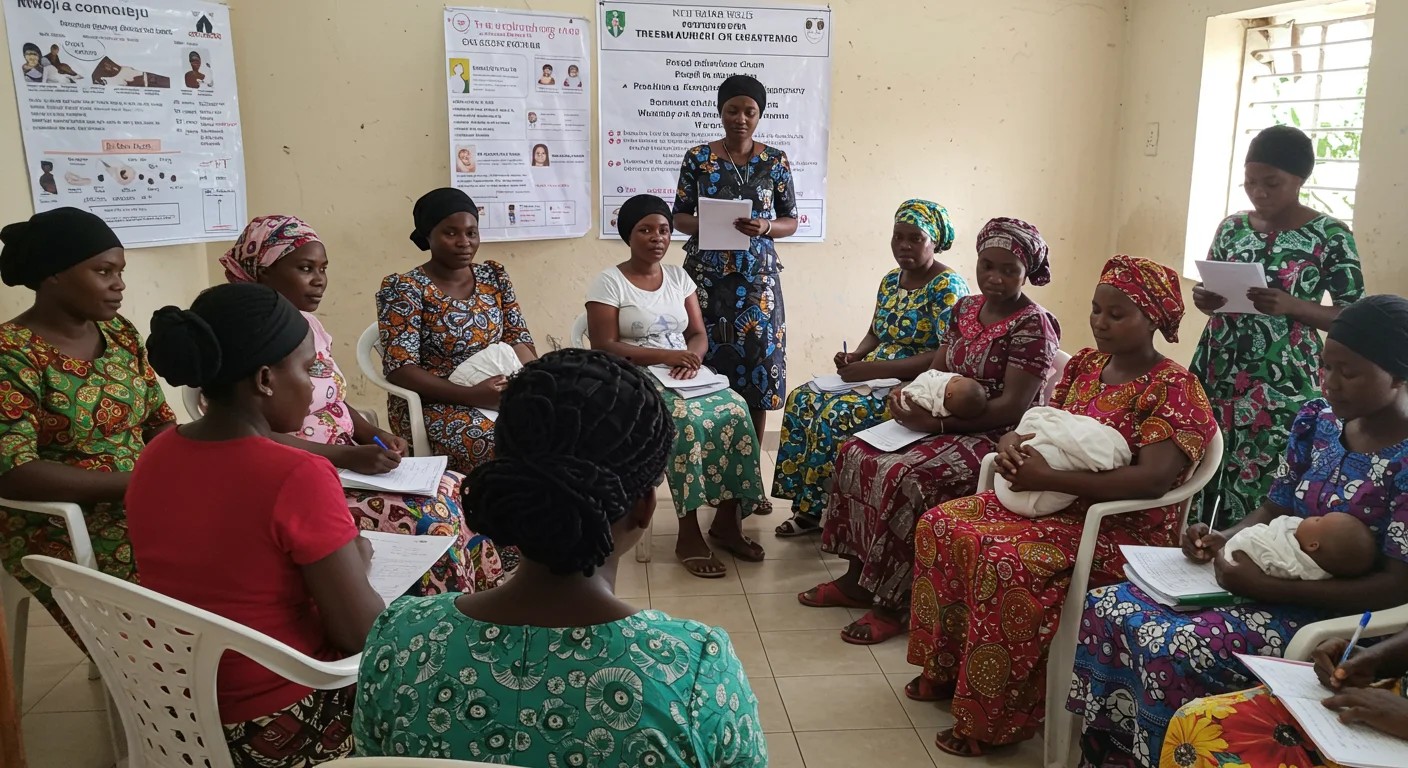
World Breastfeeding Week, a globally recognized event, is held annually in the first week of August. This significant week is supported by the World Health Organization (WHO), the United Nations Children's Fund (UNICEF), and numerous Ministries of Health and civil society partners worldwide. It represents a unified global effort to promote, protect, and support breastfeeding as a fundamental right for mothers and babies everywhere.
Breastfeeding, the act of feeding a baby milk from the breast, is not just a natural process but a crucial one that provides profound benefits for both mother and child. It provides infants with optimal nutrition, boosts their immune system, fosters a strong bond between mother and baby, and supports maternal health by reducing the risk of breast and ovarian cancer and postpartum depression. These benefits make breastfeeding one of the most effective interventions for child survival and maternal wellbeing.
Global Progress: Lives Saved Through Breastfeeding
Over the past 12 years, there has been a significant global increase in the number of infants under six months of age who are exclusively breastfed. This increase, exceeding 10%, means that 48% of infants worldwide now benefit from this healthy start in life. According to the World Health Organization (WHO), this translates to hundreds of thousands—specifically 820,000—of babies whose lives have been saved by breastfeeding. This remarkable achievement demonstrates the power of coordinated global health initiatives and the dedication of healthcare workers, mothers, and communities worldwide.
However, significant disparities remain across different regions and communities. In Nigeria, only 29% of breastfeeding mothers exclusively breastfeed their infants during the critical first six months. This figure is notably lower than the 70% of African countries that have achieved high rates of continued breastfeeding for one year, according to UNICEF data. This gap highlights the urgent need for targeted interventions and support systems that address the unique challenges faced by Nigerian mothers.
This Year's Mission: Closing the Gap for All Mothers
This year's theme, "Closing the Gap: Breastfeeding Support for All," represents a powerful initiative aimed at promoting and supporting breastfeeding among diverse groups of people. The campaign directly addresses disparities in breastfeeding support and outcomes by providing inclusive resources, education, and community networks for all individuals, regardless of their background, identity, or circumstances. This approach recognizes that effective breastfeeding support must be culturally sensitive, accessible, and tailored to meet the needs of every mother.
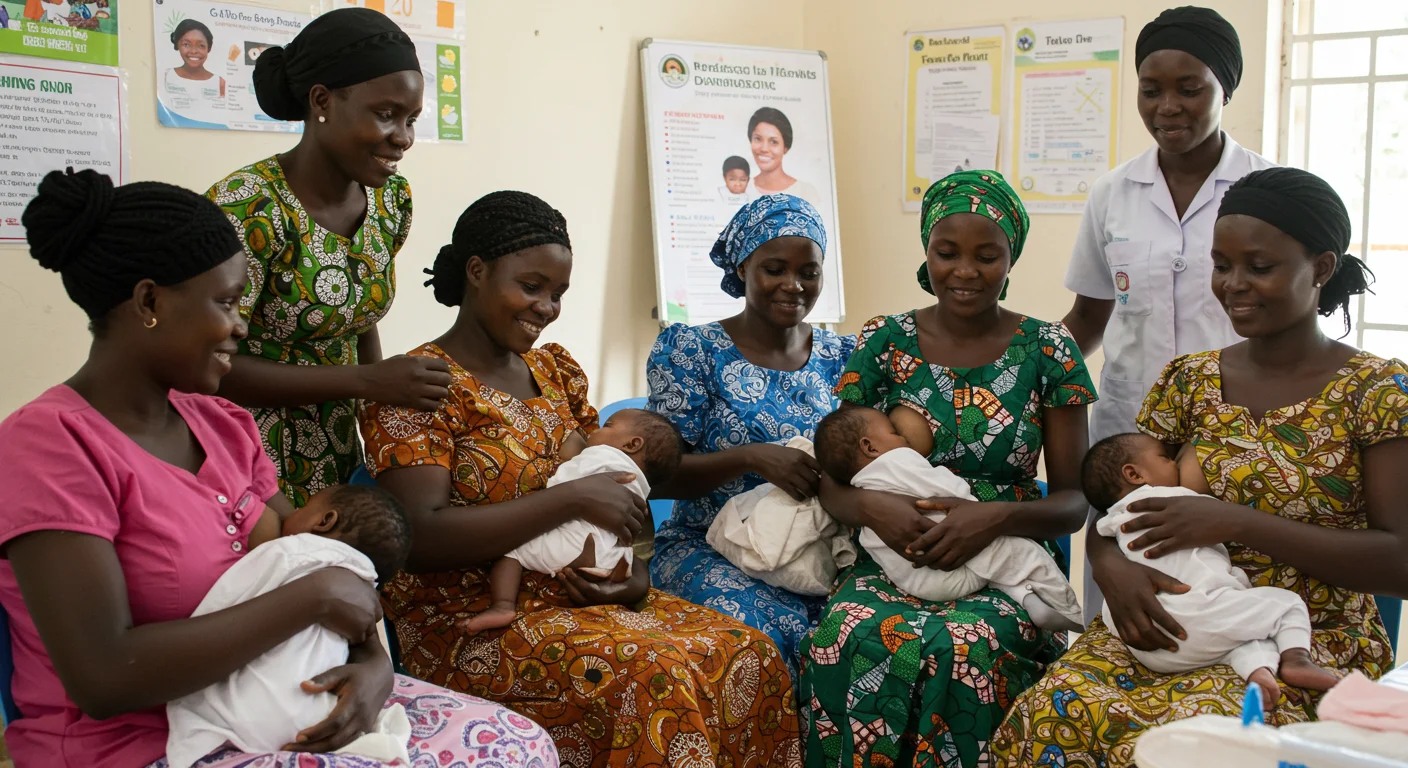
Healthcare workers and community volunteers provide breastfeeding education and support to mothers from diverse backgrounds, demonstrating the inclusive approach needed to close gaps in breastfeeding support.
By "Closing the Gap," this initiative aims to ensure that all nursing mothers have access to the support and resources they need to succeed in their breastfeeding journey. The campaign recognizes that barriers to successful breastfeeding are often systemic and multifaceted, requiring comprehensive solutions that address not just individual challenges, but also community, workplace, and healthcare system factors that can either support or hinder breastfeeding success.
Key Focus Areas for Inclusive Breastfeeding Support
This year's campaign focuses on five critical areas that can transform breastfeeding outcomes for underrepresented communities. These include increasing access to breastfeeding education and support for marginalized populations, providing culturally sensitive and inclusive resources that respect diverse traditions and practices, and fostering supportive community networks for breastfeeding individuals from all backgrounds.
The initiative also prioritizes addressing systemic barriers to breastfeeding support and care, such as inadequate healthcare infrastructure, lack of workplace accommodations, and insufficient community resources. Finally, it emphasizes promoting equity in breastfeeding outcomes and experiences, ensuring that every mother, regardless of her socioeconomic status, cultural background, or geographic location, has the opportunity to successfully breastfeed her child.
Strategic Actions to Bridge the Support Gap
The strategies for closing the gap are comprehensive and evidence-based, requiring coordinated action across multiple sectors. Priority must be given to increasing funding for breastfeeding programs and research, particularly those focused on understanding and addressing barriers faced by underrepresented communities. Additionally, developing and implementing evidence-based breastfeeding policies at national, regional, and local levels can create supportive frameworks that make breastfeeding success more achievable for all mothers.
Healthcare system improvements are equally crucial, including providing comprehensive lactation education for healthcare providers and ensuring access to qualified lactation consultants and breastfeeding support services in all communities. These professionals play a vital role in helping mothers overcome challenges and maintain successful breastfeeding relationships with their babies.
Environmental and workplace changes can significantly impact breastfeeding success rates. Efforts must be made to create breastfeeding-friendly environments in hospitals, workplaces, and public spaces that accommodate nursing mothers with dignity and privacy. Employers should be encouraged to support breastfeeding employees through comprehensive policies that include adequate paid maternity leave and well-equipped lactation rooms that allow mothers to maintain their breastfeeding routines after returning to work.
By closing the gap in breastfeeding support, we're not just improving individual health outcomes—we're building stronger, healthier communities where every mother and child can thrive. The investment in breastfeeding support today creates lasting benefits for generations to come.
A Call to Action for Comprehensive Support
Closing the gap in breastfeeding support requires sustained commitment from governments, healthcare systems, employers, communities, and individuals. Every stakeholder has a role to play in creating an environment where breastfeeding is not just possible, but supported, celebrated, and protected. As we observe World Breastfeeding Week, let us recommit to ensuring that no mother faces barriers to providing this life-saving nutrition to her child. The goal is clear: breastfeeding support for all, leaving no mother behind in this fundamental aspect of maternal and child health.
◆ ◆ ◆
The Centre for Inclusive Social Development (CISD) is a non-profit
research and advocacy organisation working to advance inclusive governance, gender and
social equity, civic technology, and sustainable livelihoods across Nigeria and sub-Saharan
Africa. Through rigorous research, coalition-building, and public-interest storytelling,
CISD amplifies the voices of marginalised communities and holds power accountable.
Learn more at cisdnigeria.org
or follow us on social media.
Folahan Johnson.
(2025, August 19).
Closing the Gap: Breastfeeding Support for All.
CISD Insights. Centre for Inclusive Social Development.
Retrieved from https://cisdnigeria.org/article/closing-the-gap-breastfeeding-support-for-all-20/.