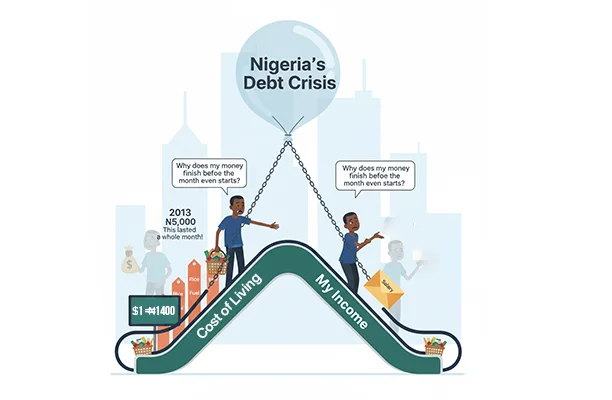
In 2013, when I started higher institution, ₦5,000 covered my needs well. I spent around ₦3,000 on food, which lasted over a month. The rest went for transport and pocket money. Life was simple, prices were stable, and money felt valuable. By 2017, I earned ₦10,000 from my job and an extra ₦12,000 from tutoring. That additional income could feed me for a month and cover personal expenses. I saved most of my salary since living costs were manageable. In 2019, I earned ₦15,000, later rising to ₦20,000. I still supported myself, ate well, and saved money each month. Prices were rising, but slowly.
Then came 2022. I earned ₦22,000 plus ₦30,000–₦40,000 from lessons. Even with rising prices, I managed to save ₦10,000 each month. But everything changed in mid-2023. Basic items skyrocketed in price. Feeding twice a day became hard. A bag of rice that cost ₦8,000–₦10,000 shot up to over ₦50,000 and later above ₦80,000 at some point. Petrol prices jumped from ₦185 to over ₦500 immediately after the subsidy removal, then climbed past ₦600, ₦700, and sometimes exceeded ₦900. Transport costs tripled. Food prices quadrupled. Bills doubled. Suddenly, my income couldn’t cover the basics.
Many Nigerians felt the same shock. The question became clear: Why did our salaries buy so little? The painful truth is that rising national debt affects ordinary citizens directly. From around 2015 onward, Nigeria began borrowing heavily, particularly in foreign currencies, due to falling oil revenues and widening budget deficits. According to the Debt Management Office (DMO), external debt rose from $10.72 billion in 2015 to $42.49 billion by 2023. As debt grew and foreign reserves declined, investors lost trust, and the naira weakened. A weaker naira makes everything cost more: food, fuel, medicine, electronics, and even local goods that depend on imports.
The numbers tell the story. In 2013, the exchange rate was around ₦160–₦170 per dollar. By late 2023, it crossed ₦900. By 2024 and 2025, it surged above ₦1,500 per dollar. When the currency loses value quickly, your salary does too, no matter how much you earn. At the same time, inflation soared. While inflation was approximately 8% in 2013, it rose above 25% by 2023, with food inflation exceeding 30% (NBS, 2023). Once affordable essentials became unaffordable. ₦5,000 today cannot buy what ₦1,000 could have just a few years ago.
Removing the fuel subsidy made everything worse. When petrol prices jumped from ₦185 to over ₦500 and then to ₦ 600 and above, transport costs skyrocketed. Since transportation affects all goods, including food, water, building materials, and medicine, etc. The entire economy felt it. Manufacturers faced higher production costs due to a weak naira and expensive fuel, which they passed on to consumers; some downsized or even closed down. What seemed like sudden inflation was really years of economic pressure building up.
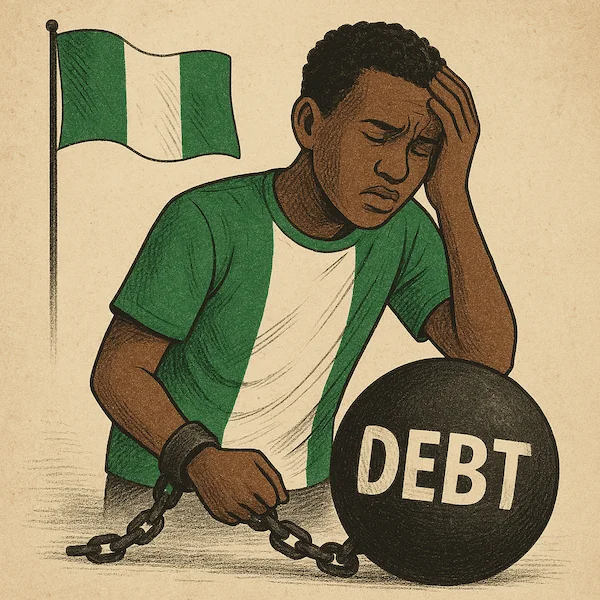
At the heart of this issue is debt. The more a country borrows, the more it spends on servicing that debt. The 2024 Budget Implementation Report show that 60% of the Federal Government’s revenue goes to debt servicing. This leaves little for infrastructure, healthcare, education, electricity, and social support. When government spending shrinks, citizens feel the burden through higher taxes, rising tariffs, the removal of subsidies, and steep prices. Your salary didn’t change, but the government's ability to stabilise the economy weakened.
High national debt also leads to higher interest rates, higher import costs, unstable exchange rates, and more expensive production for businesses. That's why a loaf of bread that cost ₦200 in 2013 now sells for ₦800–₦1,000 or more. It’s not that your salary shrank. The economy became too costly to live in.
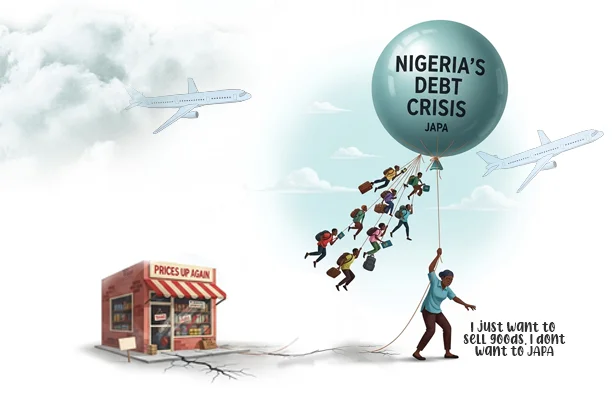
The real reason your salary buys less today isn’t just “inflation,” “subsidy removal,” or “bad governance.” It’s the hidden cost of years of unsustainable national borrowing. Debt weakens the currency, a weak currency raises prices, high prices erode purchasing power, and even when salaries increase on paper, people feel poorer. Until we address the root causes, debt dependence, weak production, and currency instability, salaries will continue to lose value faster than they rise.